What is Financial Modelling?
Financial Modelling is the process of creating a structured financial representation of a business to forecast its future performance using Excel or financial software.
It helps answer important business questions:
- Where is your business today?
- Where will it be in the next 3 to 5 years?
- How much funding is required?
- When will the business become profitable?
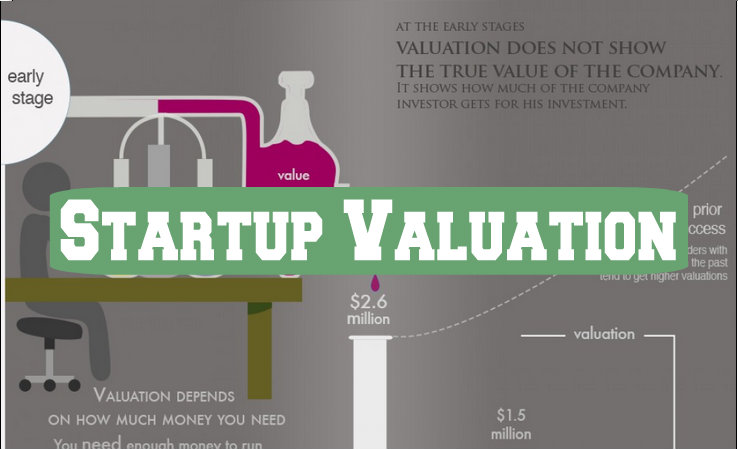
- What is the expected valuation?
Financial modelling acts as a financial roadmap for business growth and decision-making.
Why Financial Modelling is Important ?
In a competitive and data driven environment, businesses require:
- Investor-ready projections
- Bank loan feasibility reports
- Startup funding forecasts
- Scenario planning tools
- Cash flow visibility
- Valuation analysis
Without proper financial forecasting, scaling a business becomes risky and uncertain.
What Does a Financial Model Include?
Depending on the nature of the business, a financial model generally includes:
- Revenue Forecast
- Sales projections
- Growth assumptions
- Market expansion plans
- Pricing structure
- Cost Structure
- Fixed and variable costs
- Operating expenses
- Cost of goods sold
- Employee expenses
- Projected Profit and Loss Statement
- Revenue
- EBITDA
- Net profit
- Margins
- Cash Flow Forecast
- Monthly cash flow
- Working capital planning
- Burn rate for startups
- Projected Balance Sheet
- Assets and liabilities
- Capital structure
- Break-even Analysis
- Timeline to profitability
- Scenario and Sensitivity Analysis
- Best case
- Worst case
- Realistic case
- Key Performance Indicators (KPIs)
- Gross margin
- Net margin
- Return on investment
- Customer acquisition cost
- Lifetime value
Types of Financial Models
We build financial models for:
- Startups raising funds
- Investor presentations
- Bank loan approvals
- 3-year and 5-year business projections
- Project finance evaluation
- Business valuation using DCF
- Budgeting and MIS reporting
- Expansion planning
Benefits of Financial Modelling
- Clear business direction
- Better financial decision-making
- Stronger investor confidence
- Improved loan approval chances
- Better cash flow control
- Identification of risks
- Structured growth planning
- Performance tracking through KPIs
How Financial Modelling Helps Your Business
We help you:
- Develop realistic revenue projections
- Structure proper cost assumptions
- Create professional financial forecasts
- Review and improve existing forecasts
- Build financial assumptions based on industry research
- Set measurable performance indicators
- Conduct periodic review of projections
- Adjust strategies based on financial performance
Our Financial Modelling Process
- Understanding the business model
- Reviewing historical financial data
- Building financial assumptions
- Preparing revenue and cost projections
- Creating projected financial statements
- Developing cash flow forecasts
- Conducting scenario testing
- Final review and delivery of dynamic financial model
Who Needs Financial Modelling?
Financial modelling is useful for:
- Startups
- Growing businesses
- MSMEs planning expansion
- Companies seeking investment
- Businesses applying for loans
- Companies preparing for valuation
- Firms planning mergers or acquisitions
3 to 5 Year Forecasting Framework
A structured financial model typically forecasts:
- Revenue growth
- Expense trends
- Cash requirements
- Capital expenditure
- Funding needs
- Profitability timeline
- Business valuation
Financial modelling does not predict the future with certainty. It prepares your business for different financial possibilities and supports informed decision making.